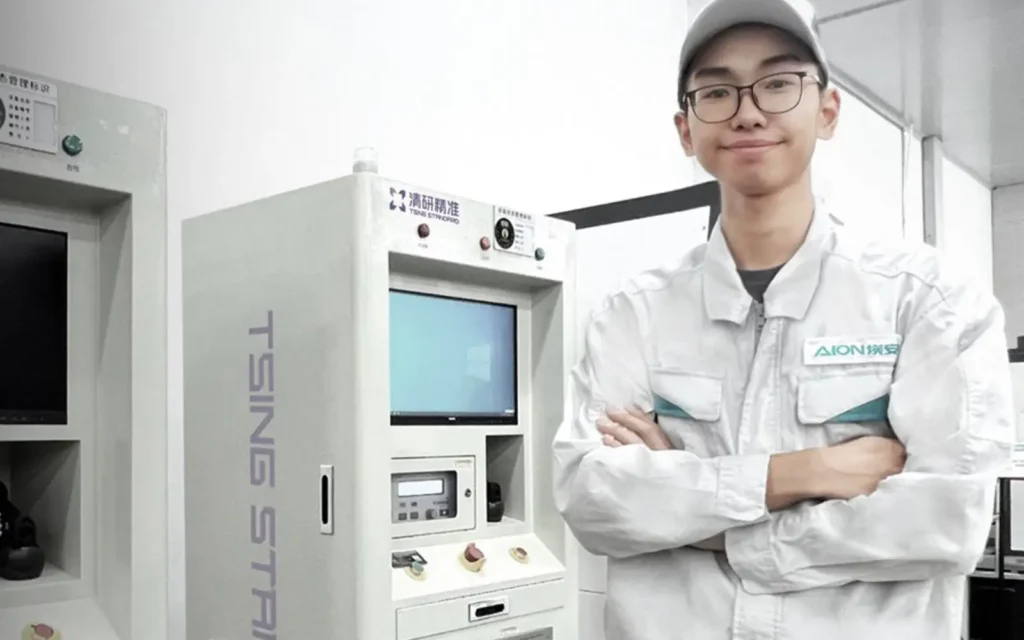
Engineering and consulting spans three classes of project — battery production lines, energy-storage plants and vehicle assembly lines — from site survey and load audit through to turnkey handover and post-commissioning data tracking.
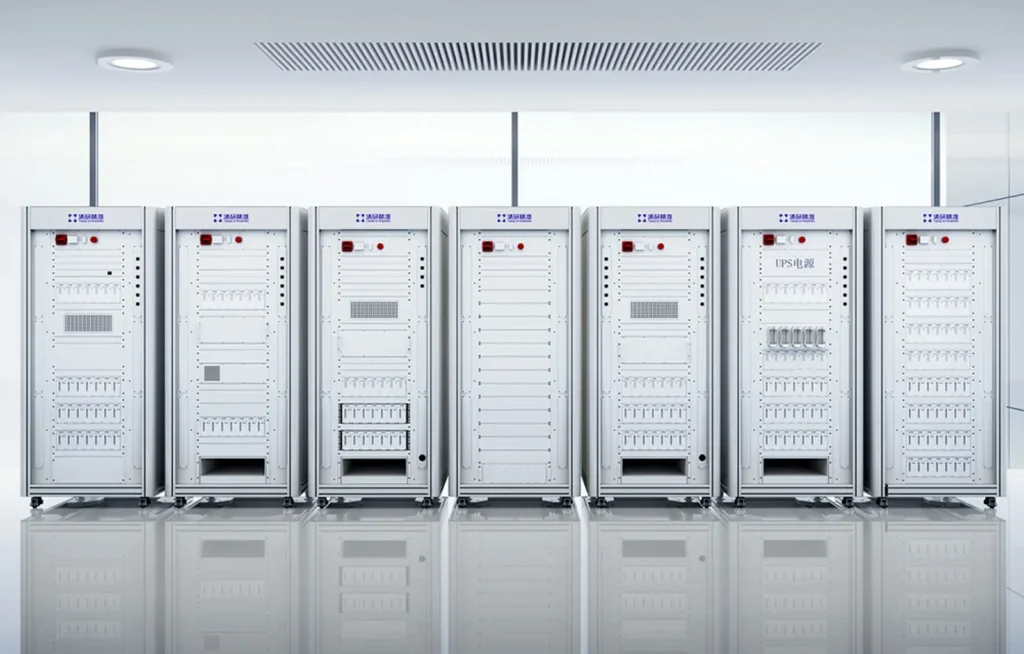
Most of the cost and schedule risk in an engineering project is created before commissioning
Test-section and storage capacity is commonly sized from equipment nameplate data and supplier experience, without capturing the site load curve or line cycle-time data. Oversizing creates idle investment; undersizing becomes a bottleneck during capacity ramp-up. Where transformer rating, point-of-connection conditions and the billing method are not verified at design stage, the basis for any benefit calculation does not hold.
Where test equipment is supplied by an equipment vendor while the building and utilities are executed by a civil contractor, interface conditions are commonly agreed verbally. When foundation dimensions, power capacity, air-supply pressure or lifting access are found not to match on arrival, there is no contractual basis for allocating rework cost and schedule loss.
Where rated capacity, round-trip efficiency and power response are agreed without specifying which side is measured, whether auxiliary consumption is included, and what metering is used, the two parties commonly arrive at different readings at acceptance. Where the system’s own BMS reporting is used for adjudication, no independent means of verification exists. Round-trip efficiency measured with and without auxiliary consumption typically differs by 3 to 5 percentage points.
Transferring a line proven domestically to an overseas base requires handling supply voltage and frequency, the certification and market-access list, the scope of local contractor support, the importer of record and engineer visas. Where these are not itemised at quotation stage, deviations in site service cost and schedule surface only during execution.
Where no monthly operating record is established after handover, actual benefit cannot be compared against the investment case, and there is no basis on which to adjust the dispatch strategy. In multi-site replication, load curves, tariff structures and transformer ratings differ by site; without measured data from the first site, each subsequent site cannot be sized.
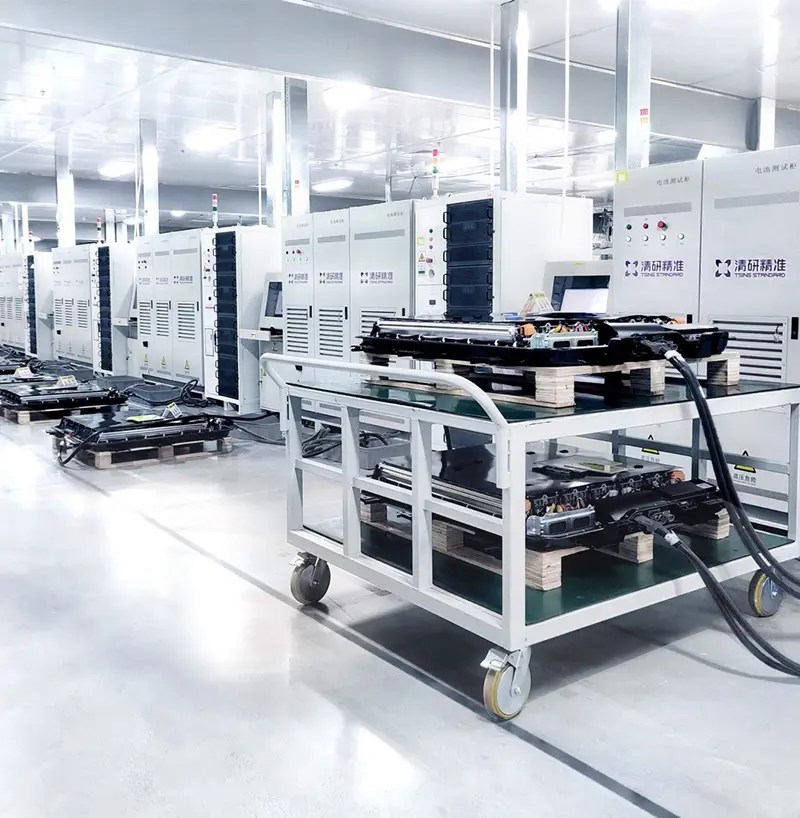
Tsing Standard's engineering and consulting business covers two classes of project — the test section of new-energy manufacturing lines, and energy-storage systems. Scope includes site survey and load audit, system design, equipment supply, installation and wiring, system integration and commissioning, grid connection, performance testing and acceptance, training and documentation handover, and post-commissioning data tracking and maintenance. Power electronics, control and test equipment are of our own design or integration; the battery itself and part of the primary electrical equipment come through an audited supply chain, with integration and acceptance responsibility carried by Tsing Standard.
Line-test projects run through nine quality gates: requirement capture, design and quotation, technical agreement, proof of concept, production, factory acceptance testing, shipment, installation and commissioning, and training and handover. Batch production is not released until the customer has approved the proof of concept in writing, and the installation and commissioning gate produces a signed site acceptance test report. Storage-engineering projects run through eleven stages: site survey and load audit, concept design and business case, preliminary design, civil interface conditions, grid-connection application support, manufacture and factory acceptance, packing and transport, installation and wiring, commissioning and grid connection, performance acceptance, and training and handover to operations. Each stage carries a defined deliverable and the project does not proceed until that deliverable exists; final acceptance follows a separate baseline — commissioning complete and ten consecutive days of production without anomaly.
Responsibility boundaries are established by drawing and interface list. Tsing Standard carries design, equipment manufacture and integration, factory acceptance, equipment installation and internal wiring, system commissioning, recommended protection settings and the grid-connection dossier, performance testing and acceptance using independent metering equipment, training and documentation, spares and remote maintenance, and in-warranty repair including parts and labour. The owner or local contractor carries civil works, utilities routed up to the equipment, lifting and unloading, permits for land use, fire, environmental assessment and the grid-connection application, import clearance according to the agreed Incoterms, and the staffing of operations. On international projects, installation, commissioning and site coordination are carried as a Provisional Sum in the commercial bid, with final scope and fee confirmed by both parties before the purchase order.
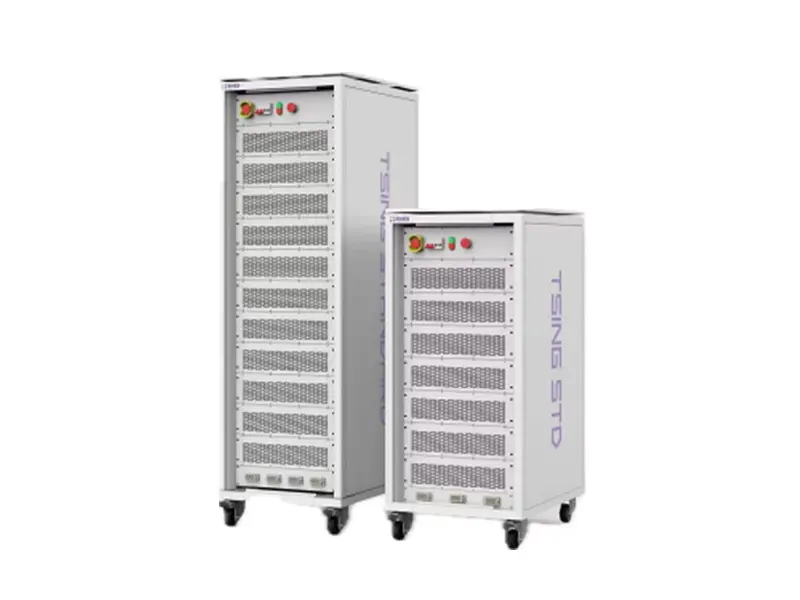
Up to 2500 V/12 MW; Suitable for prefabricated DC cabins and battery clusters; Compliant with GB/T 44026, GB/T 36276, IEC, UL
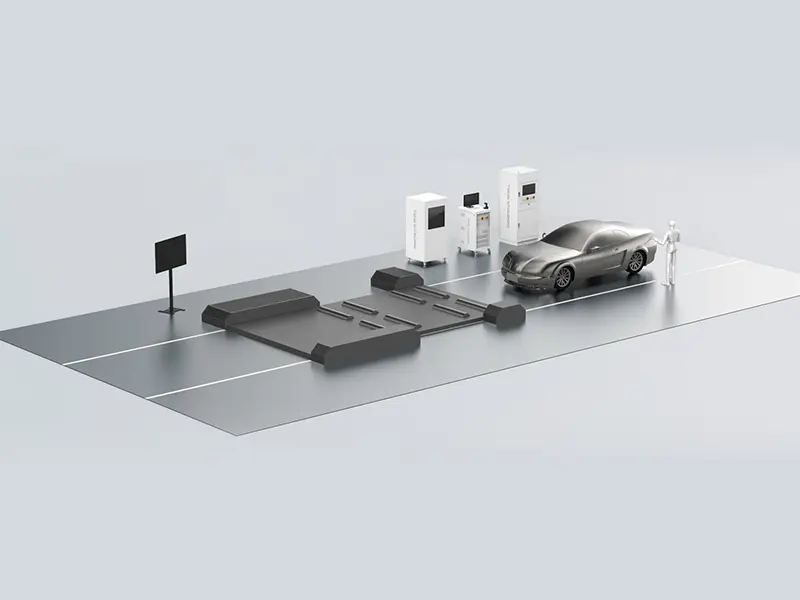
Internal consumption and peak valley scheduling of feedback energy on the DC side; On site feedback reuse rate in Liuzhou is 99.5%
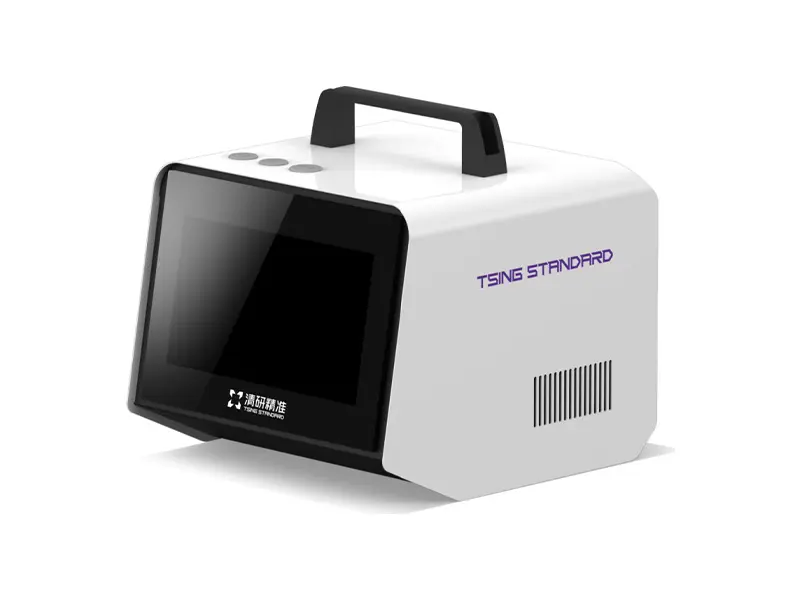
Used for factory and on-site acceptance testing of energy storage tanks
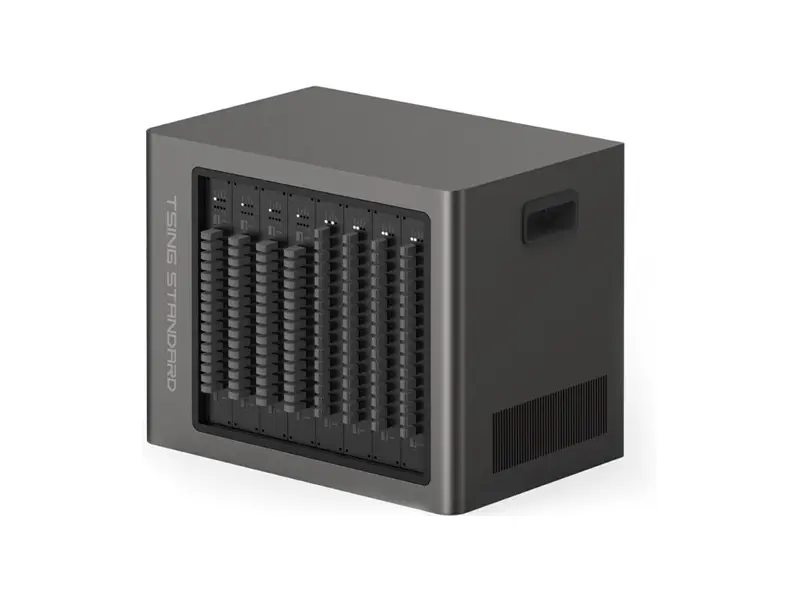
Up to 128 channels; Support T/K/J type thermocouples; LAN、CAN、RS485
Captures and analyses the site load curve, transformer rating and headroom, point-of-connection conditions, tariff and billing method, site loading and fire conditions, producing a survey report and preliminary sizing recommendation that serves as the baseline for all subsequent calculations.
Produces the system topology, capacity and power sizing, primary single-line diagram, secondary schematics and protection coordination, communication architecture, equipment layout and cable routing, together with a benefit model stating its calculation basis and boundary conditions, in which energy-charge saving, demand-charge saving and regeneration reuse are calculated separately and not aggregated.
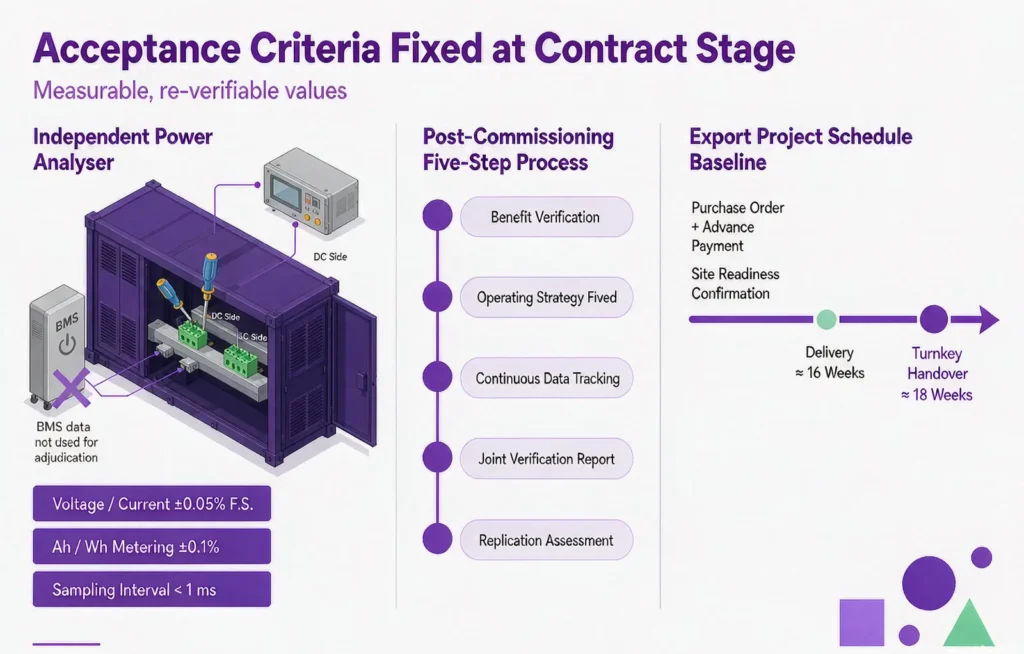
Acceptance uses independent metering equipment, applying the same metrology as factory outgoing inspection on production lines: voltage and current to ±0.05% F.S., Ah and Wh metering within ±0.1%, sampling interval below 1 ms. The measured side, the treatment of auxiliary consumption, the instruments used and the test conditions are each specified in the contract.
Equipment has been delivered to some twenty countries. Overseas projects add an overseas-adaptation module and an English acceptance-documentation module to the original module combination. In the quotation, engineer site-days, return travel, visas, certification testing, local inspection, document translation and local contractor support are itemised separately rather than absorbed into equipment overheads.
Recurring test requirements are consolidated into ten capability modules — leak testing, safety compliance, end-of-line inspection, electrical performance, communication protocols, vision and barcode, traceability, overseas adaptation, fixtures and tooling, and acceptance documentation — each with a standard bill of materials, software template, test-item list, acceptance-clause template, typical fault library and maintenance procedure. Most projects are formed by recombining existing modules, and price and schedule baselines can be fixed once the module combination is settled.
Engineering delivery verified against measured site data
The customer was building cell lines in North America, where test-platform upgrades and new builds had to follow the line construction schedule. Local commissioning resources were constrained by visa conditions, leaving gaps in mechanical, electrical and PLC commissioning. Equipment had to be compatible with local material-handling equipment and electrical standards, and acceptance documentation had to be issued in English.
The battery test system at the North America base has been delivered and settled; the Chicago Line A platform upgrade, the Line B build and the installation and commissioning of the Phase-2 electrical test cabinets are in execution. An overseas-adaptation module and an English acceptance-documentation module were added to the existing module combination. Engineer site-days, return travel, visas, certification testing and local inspection were itemised separately in the quotation rather than absorbed into equipment overheads.
Test basis and data model are unified across domestic and overseas bases, producing a replicable deployment baseline. The two parties have separately begun joint development on energy-storage plant business, container battery-replacement tooling, an integrated portable inspection device and a traction-battery repair-centre solution, and are in discussion on support for North American and European market-access certification; this work is at the joint-development stage and has not been delivered.
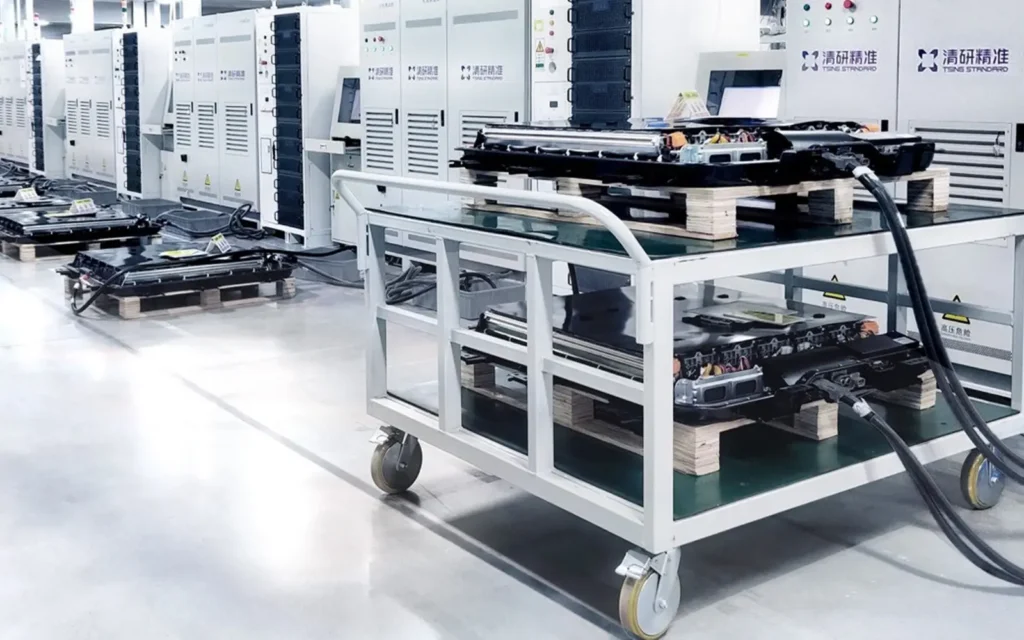
The customer was expanding at several domestic bases in parallel while transferring lines to Thailand and India. Vehicle and battery models differ by base, so existing test equipment had to be made compatible within limited line-stop windows; overseas bases required recommissioning after the line transfer, with English acceptance documentation.
Retrofit and compatibility work was executed on the existing hardware platform, with deliverables consisting mainly of fixtures, software configuration and the addition or removal of test items. Coverage included the domestic bases at Yancheng, Nanjing, Ma'anshan, Shangrao, Jintan and Huzhou; retrofit of test equipment on the BA22 and BM26 lines at the Thailand base; and post-transfer compatibility retrofit and recommissioning of the Jintan line at the India base.
Because the hardware platform is reused, retrofit projects have a shorter delivery cycle than new builds and are constrained by the line-stop window rather than manufacturing lead time. The Thailand project has been delivered and settled, the India project is contracted and in execution, and the customer places repeat orders.