
Vehicle and component testing covers five domains — powertrain, in-vehicle communication, body, chassis and automated driving — in three product forms, organised around how test workload moves forward from the manufacturer to suppliers at every tier.
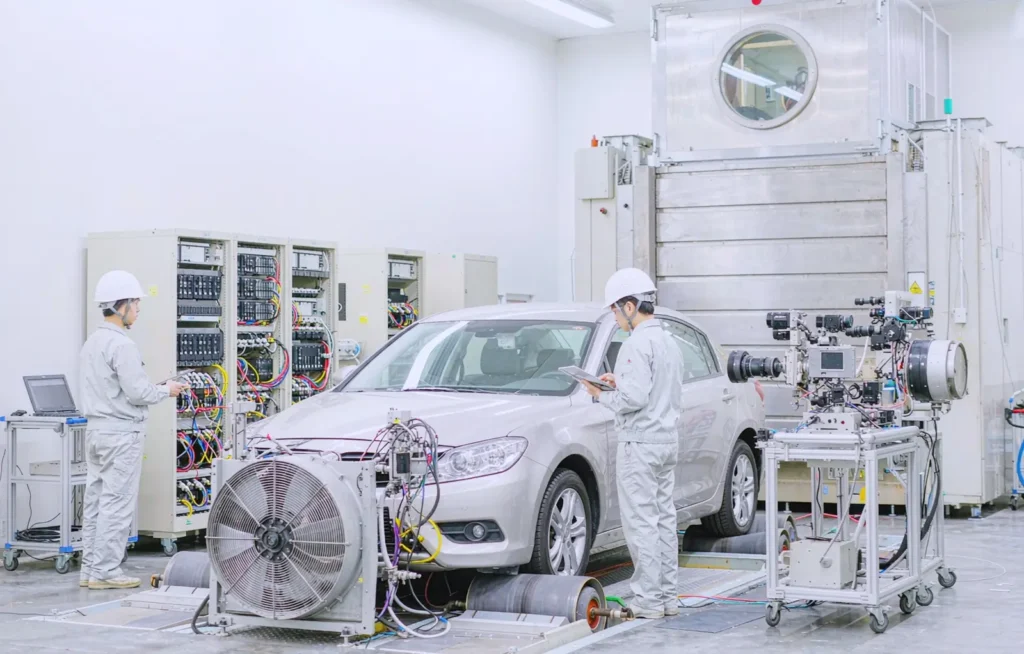
Test workload is moving forward from the vehicle manufacturer to suppliers at every tier
Development of a production model has compressed from roughly 30 months to roughly 12. Central test racks are limited in number and test tasks queue, so coverage must be traded off inside the cycle. Third-party testing carries scheduling and turnaround times that likewise do not match the development pace.
Vehicle manufacturers move test workload forward into component development, requiring suppliers to complete communication, functional and fault-condition testing before delivery. Traditional central test racks are costly to acquire and few in number, and test engineers are scarce, so smaller suppliers do not build sufficient capability and protocol and integration problems are not exposed in time.
Suppliers use different equipment, test cases and adjudication criteria, so results cannot be compared within the vehicle manufacturer. Its development, quality and purchasing functions have no single objective result on which to base a judgement.
Functional safety under ISO 26262, cybersecurity under ISO 21434, automotive-Ethernet conformance, AUTOSAR and OTA requirements apply simultaneously to the same controller, and the number of test items rises accordingly. When a regulation is revised, the existing test-case set must be re-assessed and extended.
Laboratory instrumentation and test methods have long been predominantly imported, leaving acquisition cost, spare-part lead times and secondary-development support dependent on external supply. Response times for customised test requirements do not match domestic model-development schedules.
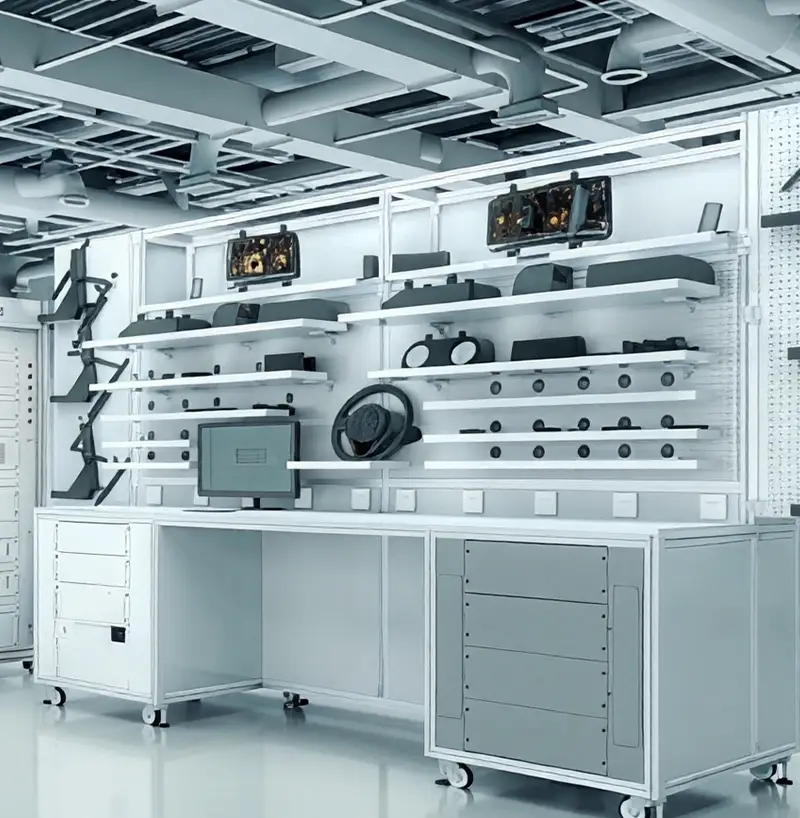
Vehicle and component testing covers five domains — powertrain, in-vehicle communication, body, chassis and automated driving — in three product forms: laboratory HIL systems, portable agile test instruments and vehicle-level test systems. Tsing Standard has taken part in building test and validation capability at 38 vehicle and component manufacturers’ laboratories and proving bases, and in the construction of the MIIT National Innovation Centre test platform for intelligent connected vehicles, the industrialisation base of the traction-battery innovation centre, and the joint innovation-centre test platforms of FAW, Dongfeng and Changan.
The system uses a 1+n+n structure: the manufacturer’s central research institute holds one complete test rack, while n internal institutes and suppliers and n external suppliers hold portable instruments, all working from one customised standard library. Test tasks are issued over the network in real time and results are uploaded and managed centrally, converting centralised testing into distributed testing under centralised management.
The HIL portfolio covers BMS, Pack, VCU, MCU, integrated three-electric, BCM, ZCU, steering, suspension, brake and ADAS HIL systems. Motor simulation cards reach a simulation step of 1 μs and support finite-element methods with JMAG RTT file import; fault-injection cards provide open-circuit, short-to-supply, short-to-ground and further electrical fault simulation; Pack HIL conforms to the ASAM XIL standard and supports NEDC, WLTP and custom cycles.
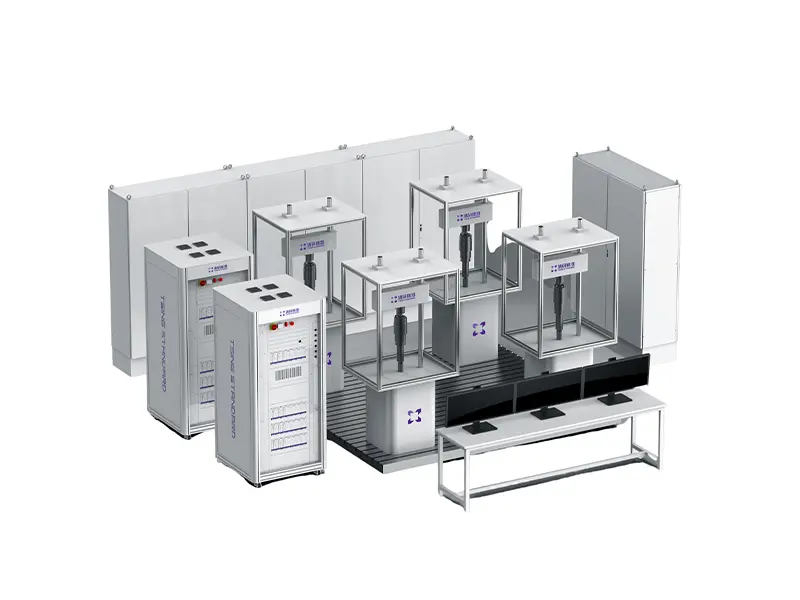
Integration of batteries with BMS, control systems, and charging and discharging devices; Compatible with ASAM XIL; NEDC/WLTP and custom operating conditions; fault injection
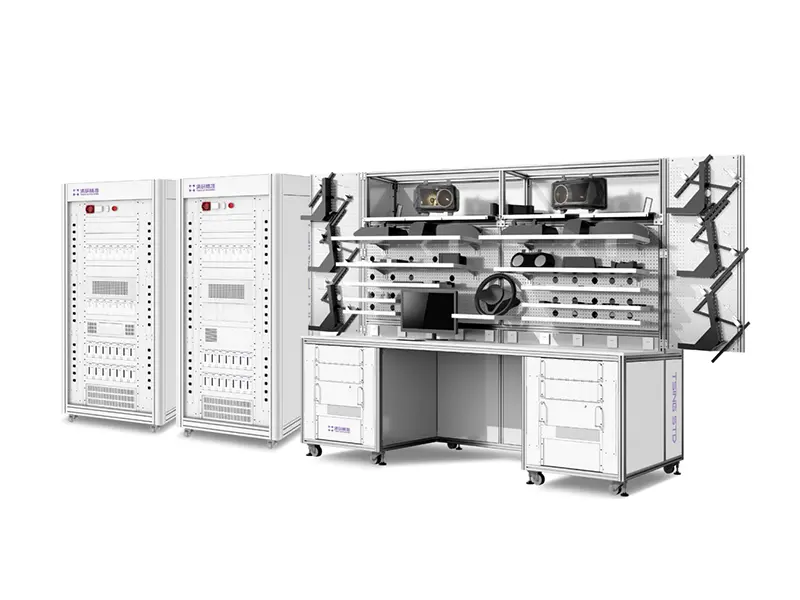
ECU level, integrated, and system level solutions; SENT/SPC and PSI5 simulation; Wheel speed signal simulation
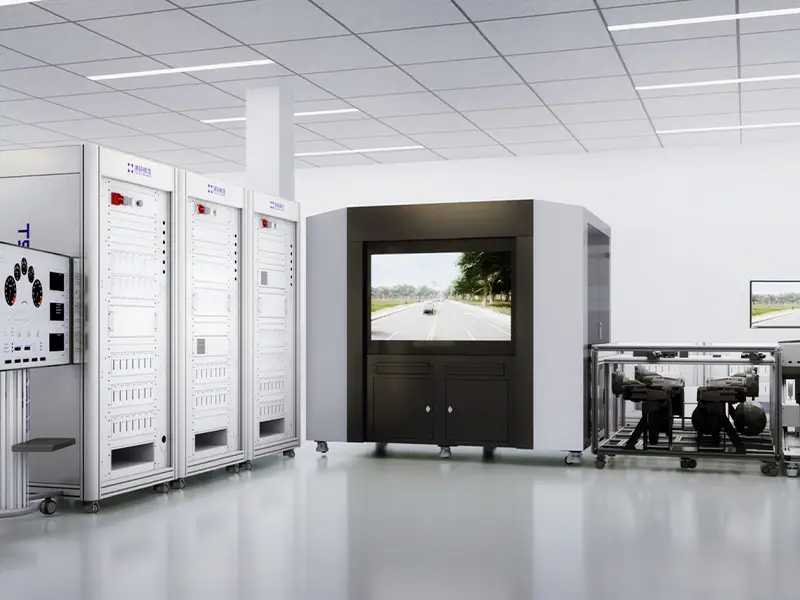
Multi sensor fusion simulation; EURO-NCAP and ISO standard scenario construction; Secondary development of vehicle dynamics model
Vehicle CAN network simulation; Extreme, typical, and custom operating conditions; Editable test sequences and automatic reports; Open source simulation model
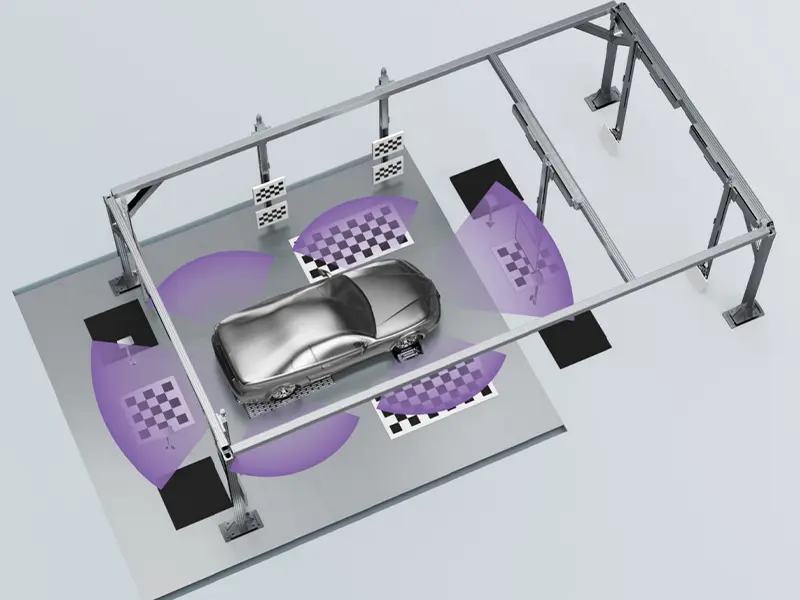
Forward facing radar, forward facing camera, blind spot radar, 360 ° surround view, laser radar calibration
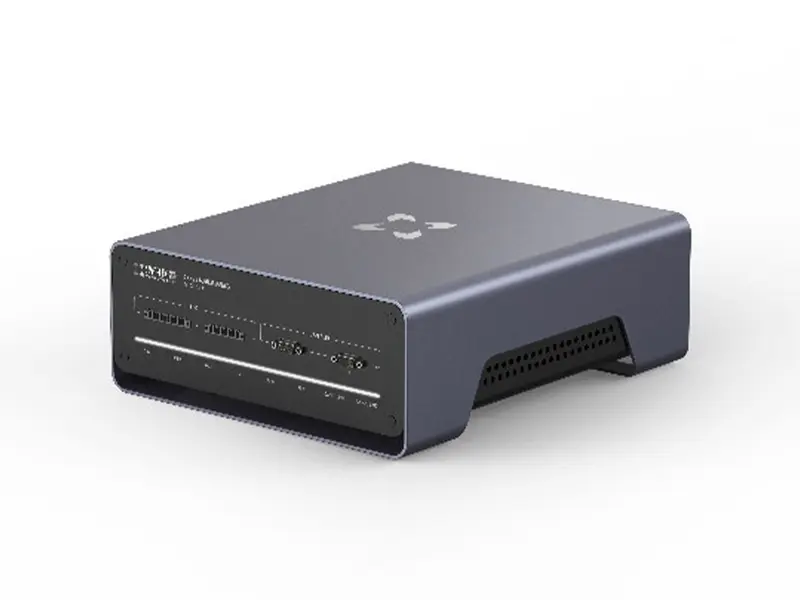
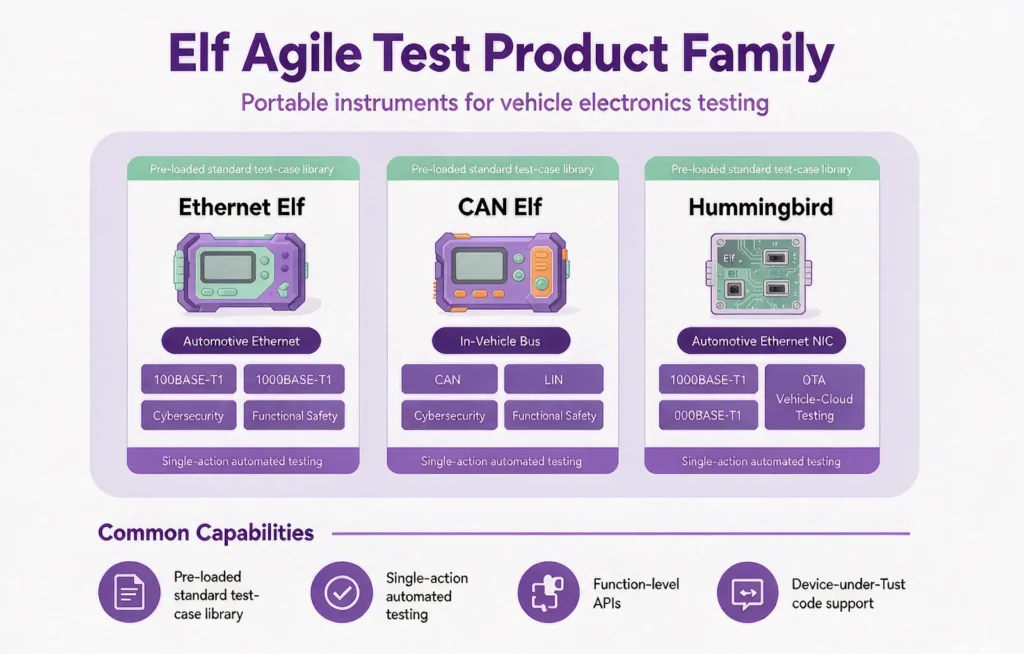
Portable; Pre set standard use case library; One click automation; Function API
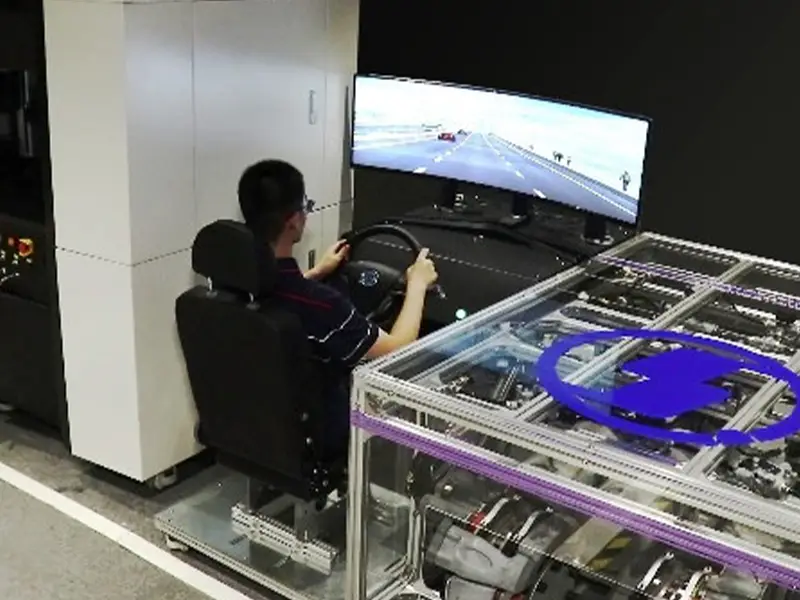
Modular design, supporting independent operation and three electric joint debugging; Simultaneous simulation of four motors; Multi channel high current fault injection
Powertrain, in-vehicle communication, body, chassis and automated-driving domains run on one hardware base and one software platform. Test scope covers the full functional test-item set of each domain controller and supports cross-domain joint commissioning.
A 1+n+n structure devolves test execution to suppliers at each tier, with results uploaded for central management. Testing runs against the manufacturer's own standard library, so results are comparable across suppliers.
The core functions of a central test rack are miniaturised into portable instruments pre-loaded with the standard test-case library and executed in a single action, reducing dependence on senior test engineers and allowing use in an office environment.
Test solutions address AUTOSAR network-management testing, the ASAM XIL test-automation interface, OPEN Alliance TC8 V3.0 automotive-Ethernet conformance, the ISO 15765 and ISO 14229 diagnostic protocols, the NEDC and WLTP cycles, and EURO-NCAP and ISO scenario standards, and accommodate cybersecurity and functional-safety testing; test items can be customised to the customer's internal standard.
Hardware modules and the software platform are developed in-house, with open simulation models, function-level APIs and device-under-test code support, so customers carry out parameter calibration and secondary development themselves rather than waiting on an external supplier.
Delivery record in vehicle manufacturers’ development and validation
Three-electric development requires control strategies to be validated under typical, limit and custom operating conditions, involving simulation of current and Hall signals, insulation resistance and high-voltage signals, NTC thermistor values and cell charge/discharge. Manual execution cannot cover the full set of condition combinations.
A three-electric development test system was delivered, supporting typical, limit and custom condition testing, automated script editing with automatic report generation, internal and external voltage-signal sampling, automated fault-injection testing, and algorithm, real-time simulation and integration testing.
Condition combinations are executed in batches by script and test reports are generated automatically. The same customer also uses the Tsing Standard test-equipment framework across its authorised aftermarket service centres.
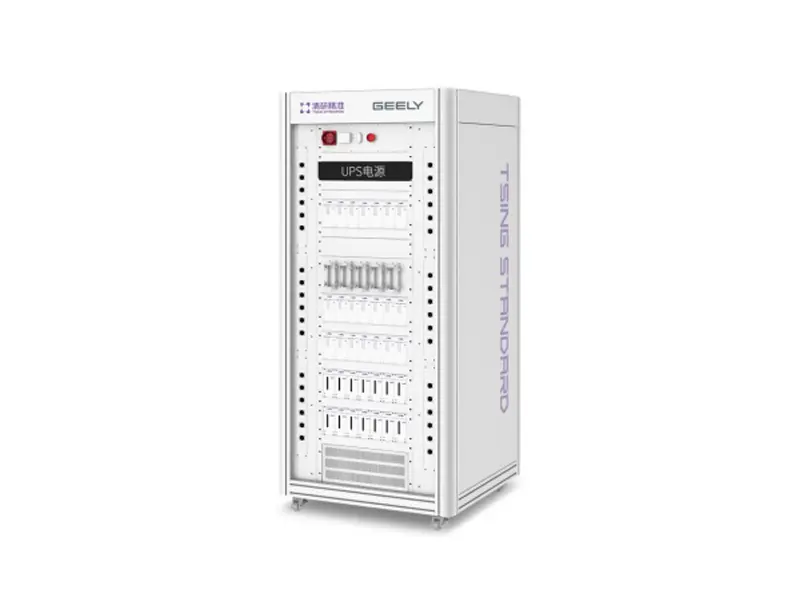
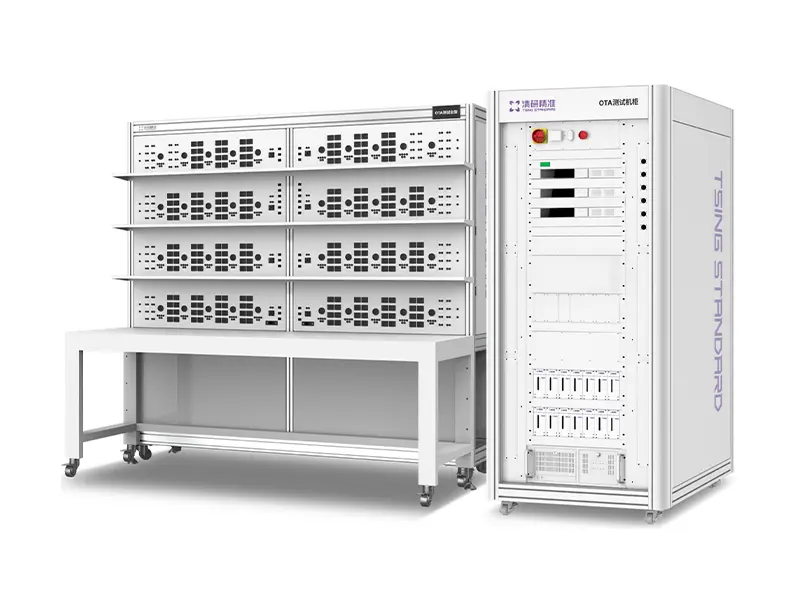
An OTA update spans vehicle, cloud, communication channel and application. Validation must cover compatibility between model and software and hardware versions, coordinated multi-controller updates, stability across network conditions, large-scale concurrent update capability and data-security compliance.
An OTA vehicle-cloud test system was delivered covering cloud, vehicle, channel and application testing, with forward and reverse simulation of power, bus, network, cloud and node, support for LIN, CAN, CAN FD and automotive Ethernet, and secondary development with customisable test methods.
Availability and usability of OTA functions on the vehicle, coordinated multi-controller updates, concurrent update capability and data compliance are all executed within a single automated test process.
Development and validation of battery-management algorithms requires data from both production validation and in-service stages; testing at a single stage cannot support full-lifecycle optimisation.
A BMS HIL simulation platform was supplied for battery-management algorithm development and validation, with scope extending into aftermarket diagnostic framework development supporting OTA-based remote diagnosis and full-lifecycle battery optimisation. NFC automated test equipment was also delivered.
Defects per unit in production validation fell by 35%, and battery service life was extended by 18 months through data-driven lifecycle management.
-35% Defects per unit
+18 Months Battery service life